

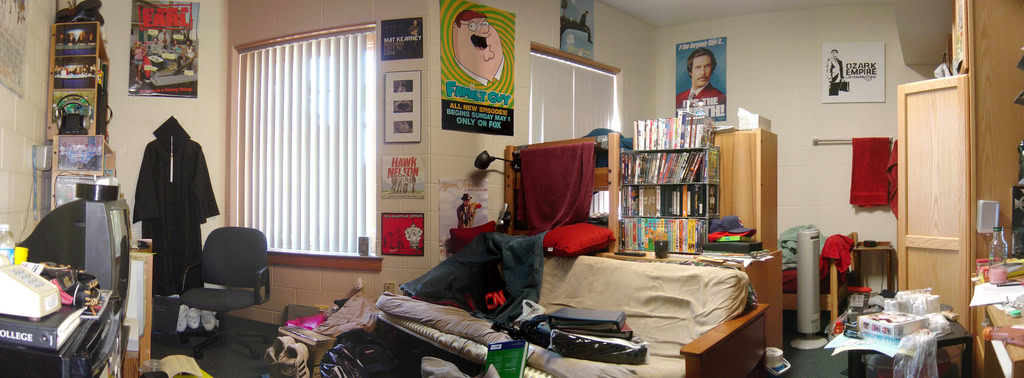
Many students rank housing as a major deciding factor when selecting a university. According to APPA’s Center for Facilities Research (CFaR), residential facilities ranked second in importance during pre-enrollment visits, second only to facilities related to specific majors. The study also showed that inadequate residential facilities were the number one reason for rejecting enrollment at an institution. The stakes are high for universities to maintain up-to-date, attractive, and comfortable residence halls. Here’s a look at how student housing today can meet the ever-increasing demands of the modern millennial by making the college dorm a place of comfort and style for sleeping, studying, and socializing.
Blend Living and Learning
Much of student learning actually happens outside the classroom, and many of the universities are looking for how they can blend living and learning on campus. Combining academic spaces with living spaces creates opportunities that expand learning and social benefits. These blended spaces must support both quiet, individualized study as well as group collaboration.
Sustainable Design
Today’s college students are ever more aware and concerned about environmental issues and sustainable design will continue to be an important planning characteristic. Millennials want to know where their food comes from, how their clothing was made, and what chemicals were used to create any given type of product – and a concern for the environment is often the reason behind where students choose to live on campus. Sustainable features in student housing not only attract students, but it can also improve the occupant’s health and wellness and save the university money in utilities and maintenance in the long run.
Daylighting Design
Natural light helps to create a visually stimulating environment and encourages dynamic interaction among students. Daylighting design not only takes advantage of available natural light by bringing it into the building via windows and skylights, but also by managing the proportionate levels of electric light output and regulating heat and glare through the use of window treatments to maximize the efficiency, functionality, and comfort of the environment. A daylight-optimized interior design also considers furniture design, placement, and room surface finishes with respect to daylight performance.
Alluring Amenities
The amenities students expect go beyond built-in WiFi, kitchenettes, laundry rooms, air conditioning and security systems – those are givens today. Fitness rooms, satellite dining facilities, coffee shops, and convenience stores are routinely considered for new residential housing construction projects; likewise common spaces for socializing and studying are becoming abundant.
Providing these features and upgrading the infrastructures of aging dorms come with a hefty price tag. The per-bed price range is anywhere from $40,000 to $80,000 and the median cost for a residence hall being constructed today is $20 million, about $171 per square foot. And while nearly 60 percent of housing officers say upgrading dorms is a major problem, 41 percent state they’ll be doing just that within five years.
GIO brings you a carefully curated selection of tile and stone products developed expressly for your commercial design projects. We not only know tile, but we also deeply understand the needs of interior designers, architects, and commercial product specifiers. Turn to us for the latest solutions in architectural surfacing for your projects. We’re here to work with you!